The Digital pathology scanner has evolved from a niche research tool into a core component of modern diagnostic workflows. From early slide digitization experiments to AI-enabled, high-throughput systems, digital pathology is reshaping how laboratories operate. Understanding its history, technical foundations, and future trends helps labs make informed decisions as they transition from glass to digital.
Digital Pathology Scanner
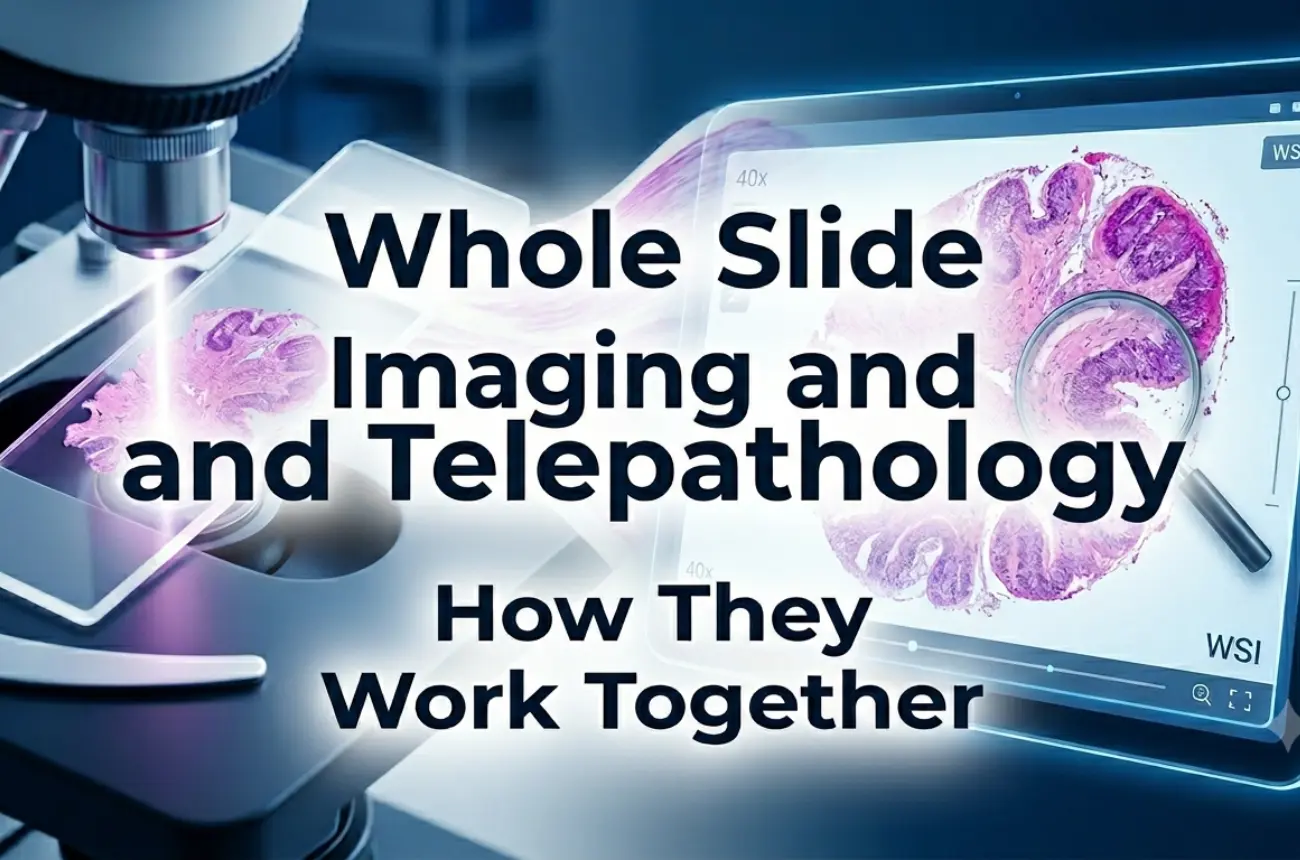
A Digital pathology scanner is a device that converts conventional glass microscope slides into high-resolution digital images that can be viewed, analyzed, stored, and shared electronically.
Whole Slide Scanning
The process of capturing the entire tissue section on a glass slide at diagnostic resolution, producing a navigable digital slide file.
Pathology Slide Scanner
A broad term used to describe scanners designed specifically for pathology workflows, including histology and cytology applications.
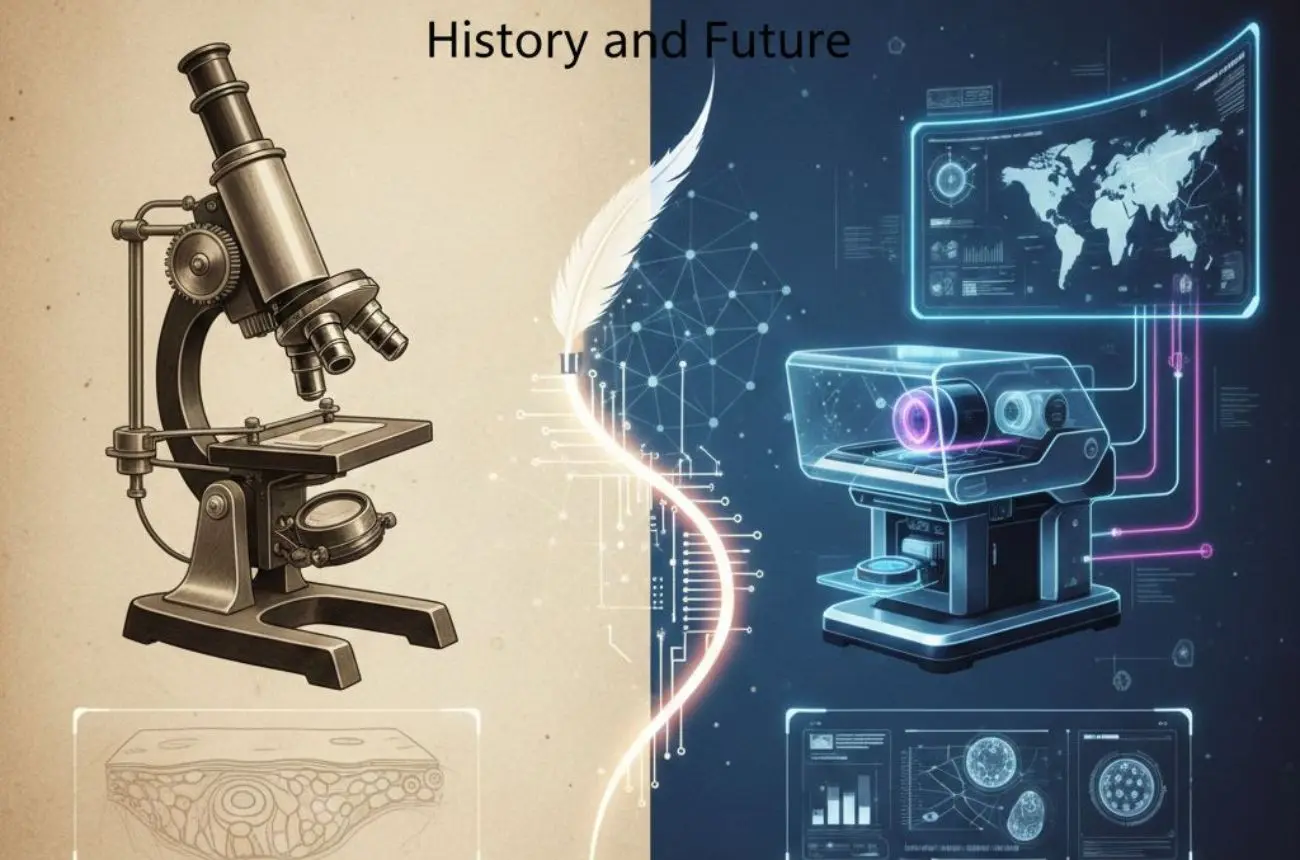
The concept of digitizing pathology slides began in the 1990s, primarily in academic and research settings. Early systems were slow, expensive, and limited by storage and computing constraints. These early microscope-based systems lacked automation and required significant manual intervention.
As camera sensors, computing power, and storage costs improved, dedicated Slide Scanner Histology systems emerged. These scanners enabled full-slide digitization rather than static field capture. Laboratories began experimenting with digital workflows for education, research, and second opinions.
However, adoption in routine diagnostics remained cautious due to regulatory uncertainty and scanner throughput limitations.
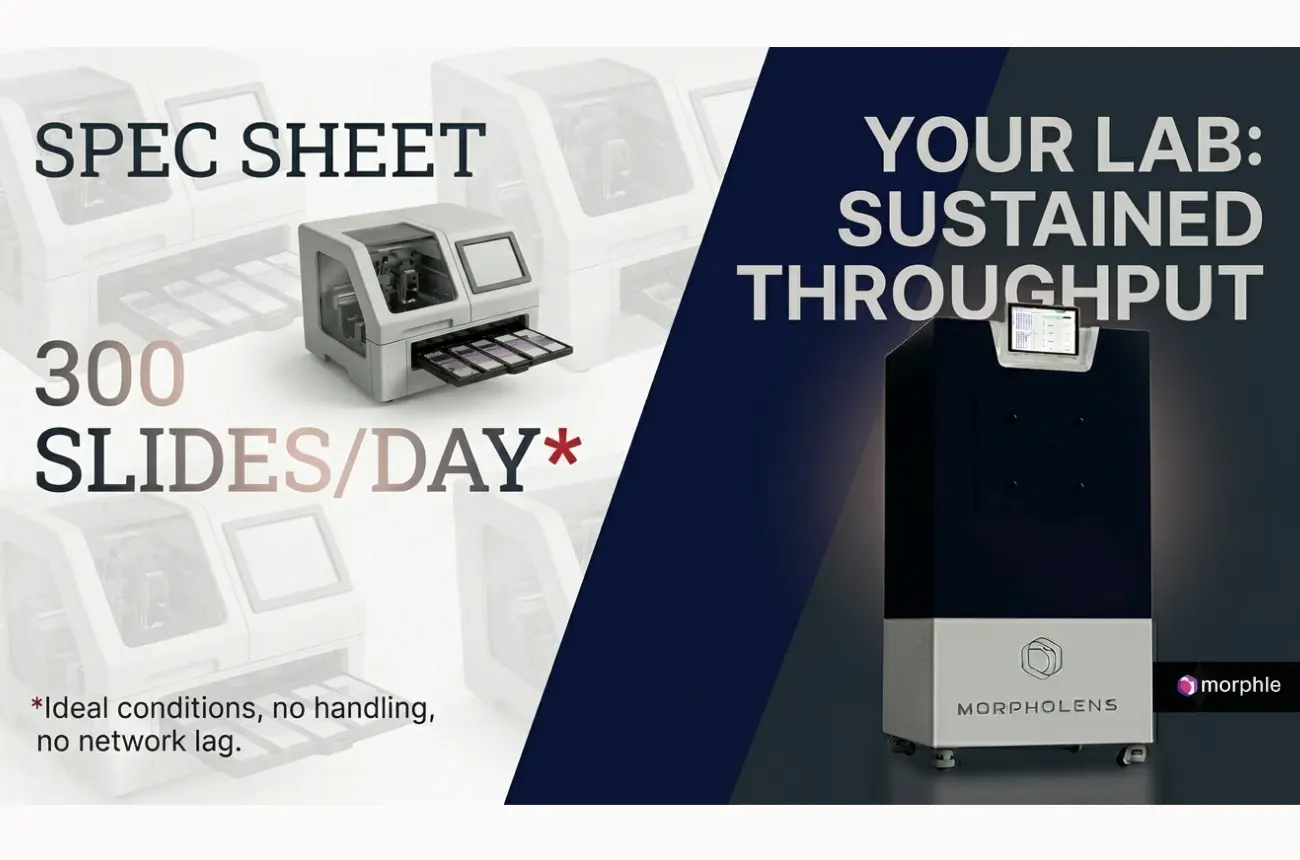
Regulatory clearances in multiple regions and improvements in scanner reliability marked a turning point. The Digital pathology scanner transitioned from “optional” to “strategic.” High-throughput, automated systems capable of handling hundreds of slides per day became viable for clinical labs.
A modern digital pathology workflow typically includes:
The scanner acts as the gateway between physical pathology and digital interpretation. Any bottleneck or inconsistency at this stage impacts the entire workflow.
Several technical advancements drove the evolution of the Digital pathology scanner:
Optics and Focus Accuracy
Early scanners struggled with uneven focus across tissue sections. Modern scanners use advanced autofocus and Z-stacking to handle variable tissue thickness.
Speed and Throughput
Faster scanning engines and parallel processing now allow labs to digitize large volumes without compromising image quality.
Image Quality and Color Fidelity
Consistent color reproduction is essential for diagnosis and downstream analysis. Scanner calibration has become a critical differentiator.
Automation
From slide loading to error detection, automation reduced manual intervention and improved reproducibility; key for routine clinical use.
Evaluating Digital Pathology Scanner price should always include long-term operational impact, not just acquisition cost.
Digital pathology scanners are now widely used for:
The Whole slide scanner has become a platform, not just a device.
The future of digital pathology is shaped by convergence:
AI-Native Scanners
Scanners are being designed with AI workflows in mind, ensuring image quality and metadata consistency suitable for algorithmic analysis.
Smarter Automation
Expect scanners to self-optimize focus, detect artifacts, and reduce rescans without user input.
Distributed and Cloud-Ready Systems
As labs decentralize, scanners will increasingly support hybrid and cloud-based deployments.
Standardization Across Vendors
Interoperability will play a larger role as labs demand flexibility and vendor independence.
Morphle Labs focuses on building digital pathology scanners that prioritize consistency, automation, and workflow alignment. Rather than treating digitization as a standalone step, Morphle designs scanners to integrate seamlessly into real-world lab environments; supporting both current diagnostic needs and future AI adoption.
By emphasizing reliable scanning performance, scalable architecture, and practical usability, Morphle Labs positions itself as a partner for labs transitioning toward fully digital pathology.
The evolution of the Digital pathology scanner is far from over; and labs that invest strategically today will be better prepared for tomorrow’s demands.
If you’re evaluating digital pathology adoption or planning to scale your existing workflow, explore how Morphle Labs can support your journey with scanners designed for accuracy, efficiency, and future readiness.
Start building a smarter digital pathology workflow today.


.webp)
.webp)
.webp)
.webp)
.webp)
.webp)