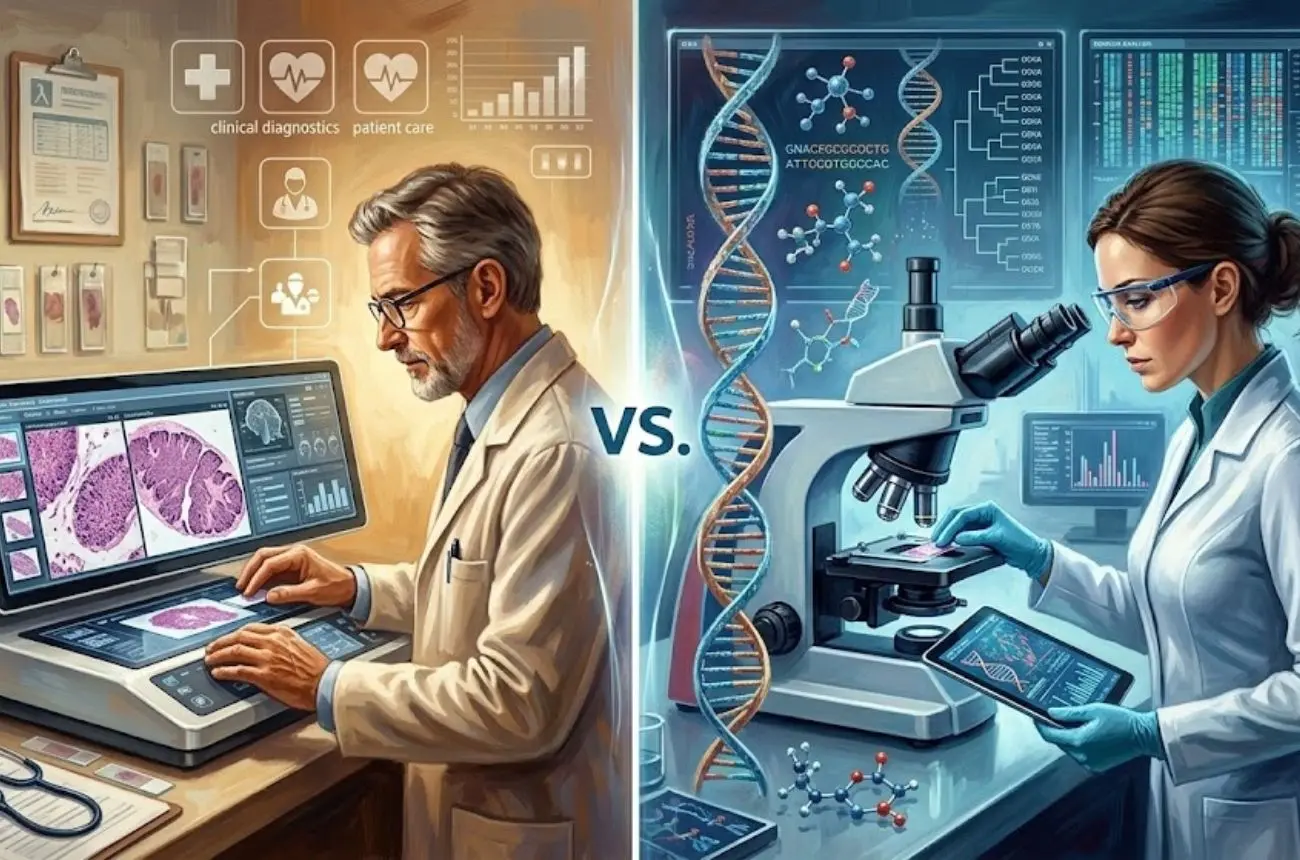
Choosing between a clinical and a research digital pathology scanner is one of the most important procurement decisions a pathology lab can make. Clinical scanners prioritize reliability, throughput, and regulatory compliance, while research scanners emphasize imaging precision, flexibility, and experimental workflows. This guide explains the practical differences, technical benchmarks, and evaluation criteria that help labs select the right system.
Not all digital pathology scanners are designed for the same environment. Understanding the intended use of the scanner—clinical diagnostics versus research—is the first step toward making the right decision.
Clinical digital pathology scanners are built for diagnostic workflows in regulated healthcare environments. These systems integrate with Laboratory Information Systems (LIS) and must meet regulatory and validation requirements before being used for primary diagnosis.
In many regions, scanners carry certifications such as CE-IVDR marking, while laboratories in the United States commonly perform CLIA-compliant validation studies to confirm diagnostic concordance before adopting whole slide imaging for routine clinical use.
Reliability, consistency, and throughput are essential. In a clinical lab processing hundreds of slides per day, even small delays or inconsistent image quality can impact case turnaround time.
Typical characteristics of clinical scanners include:
For diagnostic use, reproducibility is critical. A clinical scanner must generate consistent, diagnostically reliable images across operators, batches, and staining variations.
Research scanners are designed primarily for scientific investigation rather than routine diagnostic workflows. Instead of prioritizing throughput and operational efficiency, these systems focus on flexibility and imaging precision.
Research-grade scanners are frequently used in projects involving:
In research environments, investigators may require:
While research scanners can provide extremely detailed imaging data, they may lack the automation, workflow integration, and operational robustness required for high-volume clinical diagnostics.
Clinical digital pathology scanners support a growing range of diagnostic workflows, including:
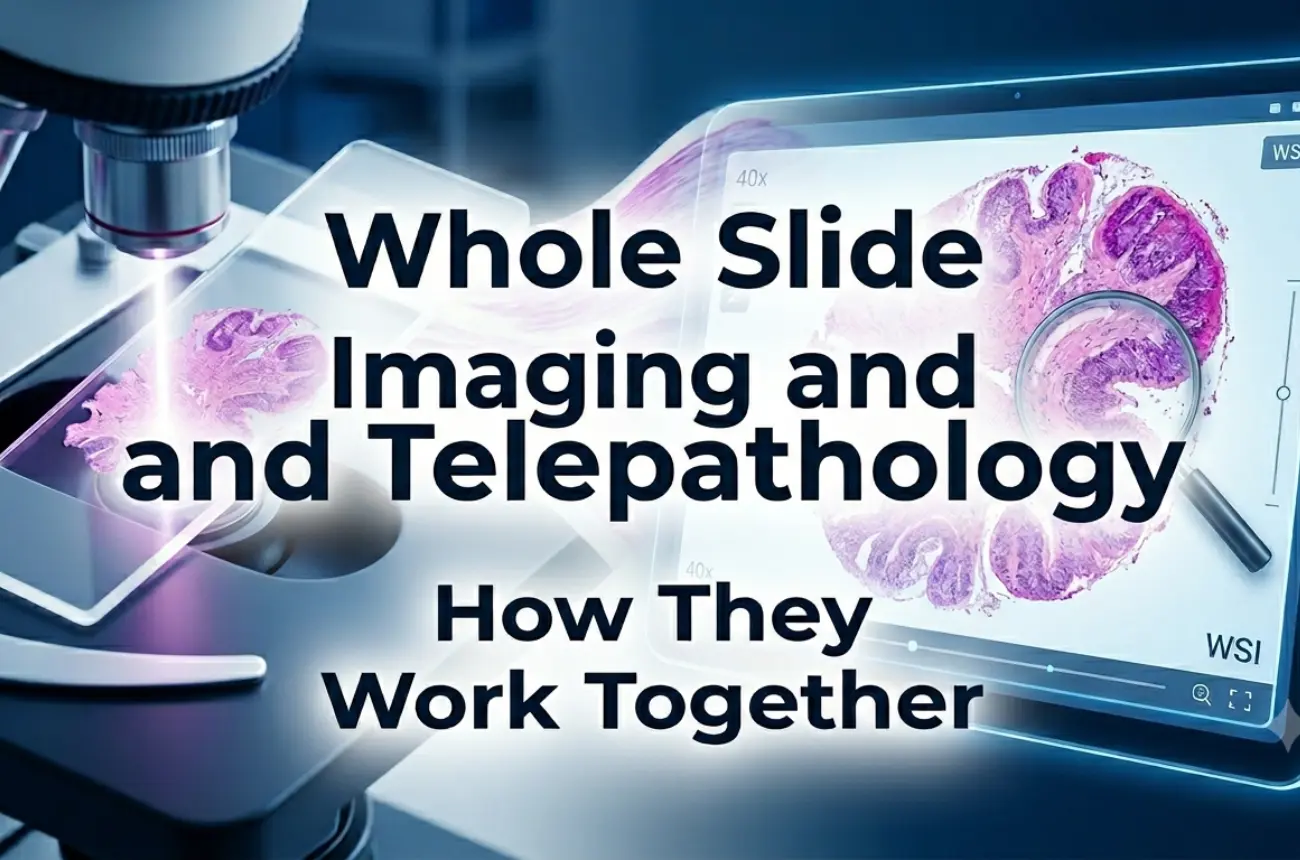
Whole slide imaging allows pathologists to review cases remotely and collaborate with specialists without transporting physical slides.
A typical Whole Slide Image (WSI) file may range from 1–3 GB depending on magnification and tissue area, making storage infrastructure an important part of any digital pathology deployment.
In research settings, slide scanners support workflows such as:
Because research projects often generate very large imaging datasets, scanners are typically paired with data analysis pipelines and high-capacity storage infrastructure.
Before selecting a slide scanner, pathology labs should evaluate several operational and technical factors:
Whether your lab is transitioning to digital pathology for clinical diagnostics or building large-scale research datasets, choosing the right scanning platform is critical.
Morphle Labs provides high-throughput brightfield whole slide scanners designed for modern pathology workflows, with seamless integration, scalable infrastructure, and AI-ready image outputs.
👉 Request a personalized demo today and see how Morphle scanners can integrate into your lab’s workflow.
Visit www.morphlelabs.com to get started.


.webp)
.webp)
.webp)
.webp)
.webp)
.webp)